





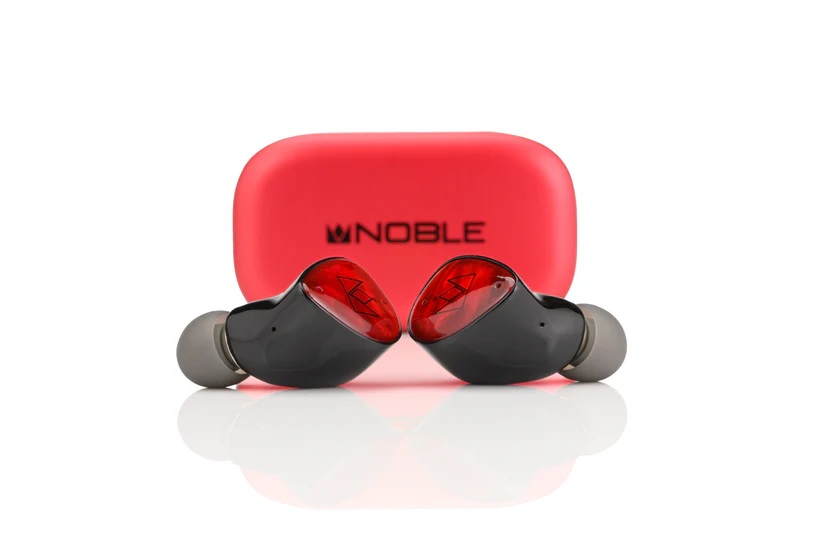
It’s no secret that I consider the Noble FoKus line of TWS IEMs (True Wireless Stereo In Ear Monitor) to be the finest offerings in the market, each new model appears to be a leap forward in performance, standing arms and shoulders above the competition, so for quite awhile now, I have wanted to get a chance to test out the latest offering the Noble FoKus Amadeus, inspired by the great Wolfgang Amadeus Mozart. Well at last that opportunity has arrived.
The Noble FoKus Amadeus TWS IEM
“The Amadeus is a celebration of musical purity and precision. The bold red finish pays tribute to Mozart’s signature tailcoat, a detail often captured in his portraits. It’s a visual cue that gives the FoKus Amadeus a presence as bold as the sound it delivers.”
At the core of the Amadeus lies a newly developed 8.3mm custom triple-layer diaphragm dynamic driver, designed to produce rich bass, open mids, and delicately extended highs. Following the huge success of the FoKus Rex5, Audiodo Personal Sound has once again been integrated into the Amadeus. This advanced hearing calibration software analyses the listener’s hearing in each ear and builds a personalised sound profile that can be stored directly on the IEMs so that it is applied regardless of source.
The Amadeus is built around Qualcomm’s QCC3091 chipset and equipped with Bluetooth 5.4, supporting SBC, AAC, aptX Adaptive, and LDAC, with TrueWireless Mirroring and multi-point pairing, touch-sensitive controls, and cVc noise cancelling with dual microphones.
Extended battery life and fast charge capability offer up to 12 hours of playback per charge with ANC off, and 8 hours with ANC on, the charging case providing an additional 2.5 full charges, bringing total usage time to up to 42 hours. A quick 10 minute charge offers 2 hours of playback.
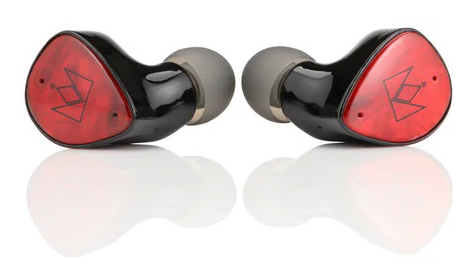
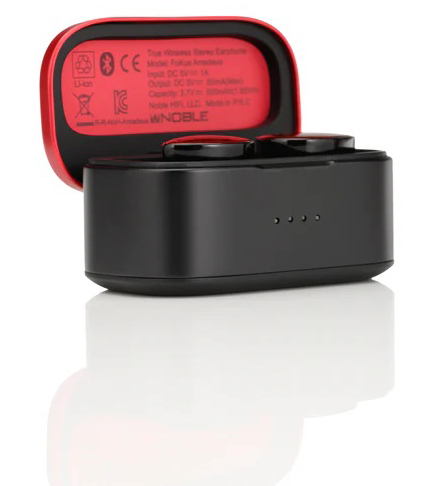
The form factor is the same as previous FoKus offerings, with a metallic red cap on the black charging case, and the IEMs following that motif with red pearl-like translucent caps and gloss black bodies
Living with the Noble FoKus Amadeus TWS IEM
Unlike other recently reviewed TWS, the Noble FoKus Amadeus TWS IEM was a breeze to burn in with its consistent 12 hour playback time and 1 hour recharge time, which meant with a simple break twice a day, I was able to let it run continuously.
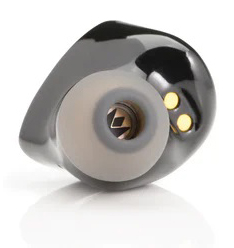
I got a good seal right out of the box, so I didn’t bother with the other tips which came in a little plastic case stored in a hide-away compartment in the bottom of the box along with the charge cable, manual, velveteen carry bag.
My first task was to pair the Amadeus with the Noble FoKus app and test the noise-cancelling and personal EQ. While not as epic as the Noble FoKus Apollo the ANC was notable, and didn’t noticeably affect the tonal balance of the music, which is always a welcome achievement. While the personal EQ is interesting, I prefer to perform my sound checks with it turned off.

Launching Qobuz, I selected “Nothing’s About to Happen to Me” (24-bit/96kHz – Qobuz) by Mitski, the sound was a bit bass heavy with a warm and musical midrange in a good sized soundstage. The kick drum had quite a lot of impact, while the snare and cymbals held snap and texture.

The bass for the new album Gorillaz album “The Mountain” (24-bit/96kHz – Qobuz) was deep and resonant, and the tapestry of Indian acoustical instruments were rendered lovingly in a massive soundstage for the eponymous title track. The tonal balance outside the bass feeling very natural. Again, musicality appears to be the Amadeus’s strong point.

Next on the docket was “Close-up On The Outside” (24-bit/48kHz – Qobuz) by Booker Stardrum, a percussion-centric offering, with a range of percussive instruments in a vast space, the bass for this recording was a lot more tame, the sax warm and smooth, while the percussion was resolved as razor-edged crisp.
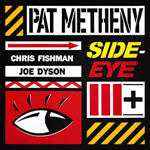
Moving on to Pat Metheny and “Side-Eye III+” (24-bit/96kHz – Qobuz), which again offered a very linear tonal balance and a massive soundstage. The piano in the distance had a Yamaha feel to it, and the cymbals had real shimmer.
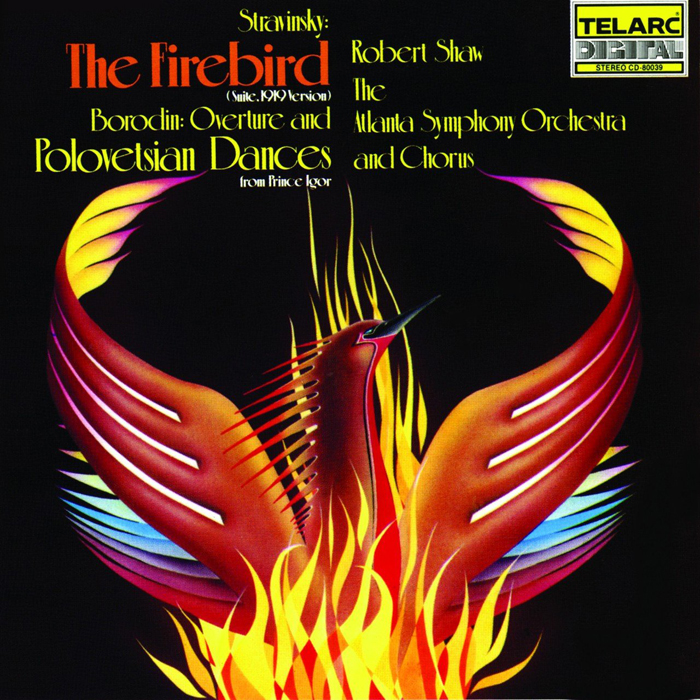
For classical, I turned to my regular playlist on Qobuz (https://open.qobuz.com/playlist/10673532) and selected my favorite “Stravinsky: The Firebird Suite (1919 Version) – Borodin: Overture & Polovetsian Dances from Prince Igor” (16-bit/44.1kHz – Qobuz), as performed by Robert Shaw and the Atlanta Symphony Orchestra, for a listen to “The Firebird Suite”. The timbre of the instruments was pristine, and the soundstage was huge. The imaging was excellent with air around the musicians, placing them solidly in space.

Putting lie to the production quality of the modern rock recordings in contrast “Non mi lasciare” (16-bit/44.1kHz – Qobuz) by Dario Baldan Bembo had deep subsonic bass but not overemphasized.
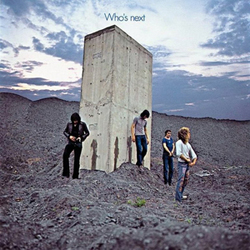
Nicky Hopkins piano was properly Steinway, delicate, fast, dynamic, for “The Song Is Over” (“Who’s Next” – The Who – 24-bit/96kHz – Qobuz), and John Entwistle’s was correct to the recording blending with the music rather than taking center stage. Roger Daltrey’s vocal was honey sweet and expansive in a vast hall.
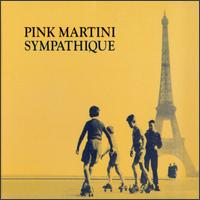
Pink Martini was positively etheric for “Que Sera Sera” (“Sympathique” – 16-bit/44.1kHz – Qobuz), the horns dynamic in a massive auditorium, the piano and vibes looming large in the background.
Of course, the tests wouldn’t be complete without a test of the Amadeus in making phone calls, so I did that, and like all FoKus TWS IEMs, it performed spectacularly, and the range was extreme.
Living with the Noble FoKus Amadeus TWS IEM
One of the risks of testing audio products with new music is the fact that you don’t really know what the original recordings sounded like, on the other hand, the risk of using the same music for all of your tests is the fact that you stop listening to the music and start listing to the characteristics and or differences from what you have heard before. That is the reason I always do a mix of new and reference tracks. One of the exciting things about have a preselected playlist that you are eminently familiar with is that occasionally you hear something that you never noticed before. That didn’t happen in this case, but it became clear that my first impression of the Amadeus was based on recordings that, in the pursuit of a pop audience, overcranked the bass, causing it to overwhelm the other instruments and come across as fat and tubby rather than controlled, which it definitely was when listening to better recorded tracks. In fact, my original thought was that the Amadeus was singularly appropriate for classical music and acoustic jazz, but upon listening to my old favorites, it became clear that the Amadeus was more genre agnostic than I had anticipated.
Once again, Noble has created a category busting IEM, while not quite on a par with the Noble FoKus Rex5 TWS IEM, the Noble FoKus Amadeus TWS IEM performed admirably. With a realistic presentation, exemplary tonal balance and timbre of instruments, especially percussion, musicality and a larger than expected soundstage, extreme battery life with lightening fast recharge, and really kick out the bass if it is demanded, especially with the free Noble FoKus App, that not only allows you to calibrate the Amadeus to your ears, but allows for advanced equalization to give even the most dedicated bass head the sound they are looking for, the Amadeus ticks all the boxes giving more bang for the buck than it has any right to, a full and hearty recommendation indeed.
Price: $320/ £299 / €349
Manufacturer’s Website: https://nobleaudio.com/products/noble-fokus-amadeus
Key Specifications
• Driver: 8.3mm custom triple-layer diaphragm
• Frequency response: 20Hz – 20kHz
• Sensitivity: 113 ± 2dB at 1kHz
• Impedance: 37 Ohm
• Output power: 3mW
• Chipset: Qualcomm QCC3091
• Bluetooth: Version 5.4
• Audio codecs: SBC, AAC, aptX Adaptive, LDAC
• Battery (earbuds): 65mAh
• Battery (case): 500mAh
• Playback time: 8–12 hours earbuds, up to 42 hours total
• Charging time: 90 minutes earbuds, 120 minutes
• Quick charge: 10 minutes = 2 hours of playback
• Microphones: Dual with cVc noise cancelling
• Noise control: ANC and Transparency mode
• Features: Multi-point connection, TrueWireless Mirroring, Auto Power On/Off
• Certifications: FCC, CE, MIC, RCM, SRRC, BQB, ROHS, MSDS

Want to join discussion?
Feel free to contribute!